Smart Home Lighting Systems: The Future of Illumination
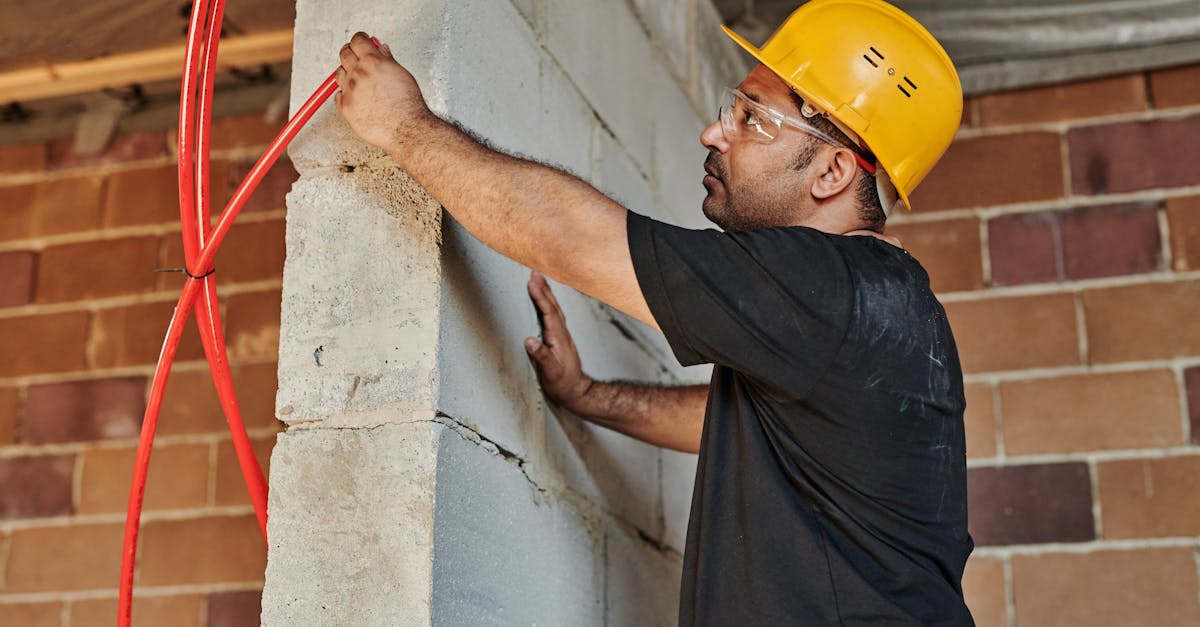
Table Of Contents
Installation Process for Smart Lighting
When considering smart lighting, the installation process can vary based on the chosen system. Many products are designed for easy setup with user-friendly instructions, allowing homeowners to take a DIY approach. This typically involves replacing existing light bulbs with smart versions or installing smart switches. The process generally includes downloading an accompanying app, connecting the device to the home Wi-Fi network, and following on-screen prompts to complete the setup.
For those who prefer professional help, hiring an electrician ensures that the installation adheres to safety standards and function optimally. Professionals can assist with complex systems that integrate multiple devices or require significant electrical work. They can also offer guidance on the most effective placement and configuration for optimal performance. Regardless of the installation method chosen, ensuring compatibility with existing wiring and fixtures is crucial for a seamless smart lighting experience.
DIY vs Professional Installation
Many homeowners are drawn to the idea of installing smart lighting systems themselves due to the perceived simplicity and cost-effectiveness. DIY installation often involves setting up smart bulbs or switches that can easily replace traditional fixtures. Clear instructions from manufacturers can guide even those without technical expertise through the process. This approach allows users to customise their spaces and take immediate control over lighting without hiring outside help.
On the other hand, professional installation can provide added benefits, especially for more complex setups. Experienced electricians can ensure that all components are configured correctly and integrated seamlessly with existing home automation systems. They can also address potential issues like electrical compatibility or safety concerns that might arise during DIY efforts. Investing in professional installation may also save time and provide peace of mind, allowing homeowners to enjoy their smart lighting systems without the stress of troubleshooting installation challenges.
Integrating Smart Lighting with Home Automation
Smart lighting systems offer a seamless integration with various home automation technologies, enhancing convenience and energy efficiency. These systems can be programmed to respond to specific conditions, such as occupancy or time of day. For instance, lights can automatically dim or brighten based on the room's activity level. Homeowners can manage multiple lighting zones through centralised apps, allowing for an intuitive user experience.
Compatibility with other devices significantly broadens the functionality of smart lighting. Integration with smart speakers, security systems, and thermostats creates a cohesive home environment. For example, a smart lighting system can be programmed to turn on when a security alarm is triggered, ensuring a well-lit space during an alert. This interconnectedness not only improves safety but also elevates the overall living experience through automated scenarios tailored to user preferences.
Compatibility with Other Smart Devices
Smart lighting systems are designed to work seamlessly with a plethora of other smart devices, enhancing the overall functionality of a home automation network. Many popular platforms, such as Amazon Alexa, Google Assistant, and Apple HomeKit, support integration, allowing users to control lighting with voice commands or through centralised apps. Compatibility varies based on the manufacturer and specific model, so checking specifications before purchasing is crucial. This ensures smooth operation across all devices, from smart speakers to security cameras.
In addition to voice assistants, smart lighting can also interact with other home automation components, like smart thermostats and sensors. For example, motion sensors can trigger lights to turn on automatically, providing convenience and security. When planning a smart home, maintaining a cohesive ecosystem with compatible products will not only simplify control but also enhance the overall experience. Users should consider investing in hubs or ecosystems that support multiple brands to maximise compatibility and streamline interactions between devices.
Troubleshooting Common Smart Lighting Issues
Smart lighting systems can sometimes face issues that disrupt their seamless function. Common problems include unresponsive bulbs, flickering lights, or inconsistent connectivity. When encountering these challenges, it is crucial to start with the basics. Ensure that all devices are powered on and connected to the same Wi-Fi network. Checking for firmware updates can also resolve many issues, as manufacturers frequently release updates to improve performance and compatibility.
When problems persist, it may help to reset the devices involved. This process usually involves turning the lights off and on in a specific sequence, which can restore proper functionality. If connectivity issues arise, examining the placement of the router and any potential sources of interference is essential. This can include walls or electronic devices that may hamper the signal. Adjusting router settings for optimal performance can also make a significant difference in the reliability of smart lighting connections.
Tips for Resolving Connectivity Problems
Connectivity issues can often stem from weak Wi-Fi signals. To enhance your smart lighting system's performance, ensure your router is positioned centrally within your home. Additionally, consider using a Wi-Fi extender to boost signal strength in areas where the connection is unreliable. Eliminating physical obstructions and interference from other electronic devices may also improve connectivity, ensuring your smart lights function without interruptions.
Another potential issue arises from outdated firmware. Regularly checking for software updates can resolve bugs and improve performance. Access the manufacturer’s app or website to stay informed of the latest updates. If problems persist, resetting devices to factory settings can often clear connectivity hurdles. A systematic approach to troubleshooting, starting with the simplest solutions, can help ensure your smart lighting system operates smoothly.
FAQS
What are smart home lighting systems?
Smart home lighting systems are advanced lighting solutions that can be controlled remotely via smartphones, tablets, or voice assistants, allowing for enhanced convenience, energy efficiency, and customisation of lighting settings.
Can I install smart lighting systems myself?
Yes, many smart lighting systems are designed for DIY installation and come with straightforward instructions. However, complex setups or integrations with existing electrical systems may require professional installation for optimal results.
How do I integrate smart lighting with my existing home automation system?
To integrate smart lighting with your home automation system, ensure that your smart lights are compatible with your existing devices, such as smart hubs or voice assistants. Follow the manufacturer's instructions for setup and pairing.
What should I consider for compatibility with other smart devices?
When choosing smart lighting, consider the communication protocols (like Wi-Fi, Zigbee, or Z-Wave) of your other smart devices. Ensure the devices can work together seamlessly and check for any required hubs or bridges.
What are some common issues with smart lighting systems and how can I troubleshoot them?
Common issues include connectivity problems, unresponsive devices, and integration issues. Troubleshoot by checking your Wi-Fi connection, ensuring devices are powered, and resetting them if necessary. Refer to the manufacturer's troubleshooting guide for specific solutions.
Related Links
How to Choose the Perfect Pendant Lights for Your HomeThe Benefits of LED Lighting for Residential Properties
Understanding Different Types of Light Bulbs for Home Use
A Guide to Dimming Systems and Their Installation
Creative Lighting Solutions for Small Spaces
Energy Efficient Home Lighting Solutions for Modern Living
Outdoor Lighting Ideas to Enhance Your Garden Aesthetic
Brighten Up Your Home: Choosing the Right Lighting Design
Transform Your Living Space with Expert Home Lighting Installations