Safety Standards and Regulations for Electrical System Upgrades
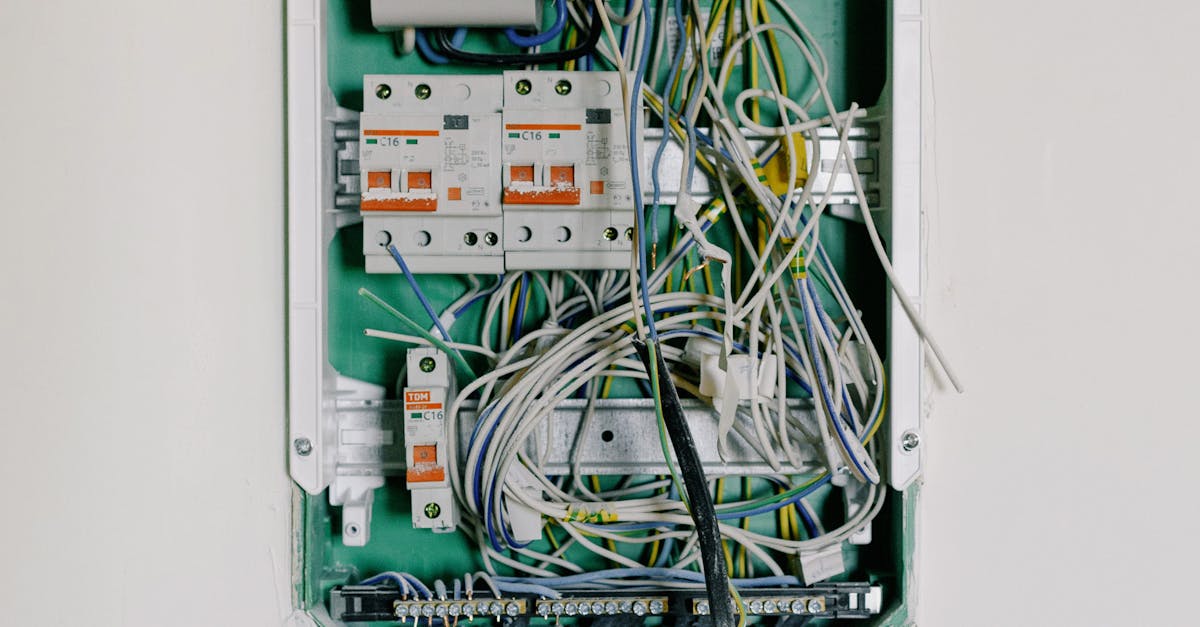
Table Of Contents
Common Electrical Upgrade Projects
Upgrading electrical systems is essential to meet changing demands and improve safety. Common projects include replacing outdated circuit breakers, enhancing lighting fixtures, and upgrading wiring to accommodate new appliances. Each project addresses specific needs, ensuring that the electrical system can handle increased loads while maintaining compliance with safety standards.
Homeowners and businesses often consider panel upgrades to increase capacity and streamline operations. Installation of energy-efficient lighting not only reduces consumption but also enhances the quality of illumination. Assessing the overall electrical infrastructure allows for informed decisions about necessary upgrades, promoting longevity and reliability in performance.
Upgrading Circuit Breakers and Panels
Upgrading circuit breakers and panels is essential for enhancing the safety and efficiency of electrical systems. Older panels may not meet current electrical demands or safety standards. Outdated circuit breakers can pose risks such as overheating or failure to trip during a fault. Installing modern breakers ensures better protection of circuits from overloads and short circuits. Choosing the right type of circuit breaker, including those with ground fault and arc fault protection, can further increase safety levels.
The upgrade process should always adhere to local regulations and standards. Proper consultation with qualified electricians is crucial to ensure compliance and correct installation. New panels often come equipped with improved features, such as digital displays that provide real-time information on power usage. Documenting the specifications and any modifications performed during the upgrade helps maintain accurate records for future reference or inspections. This practice not only supports ongoing safety but also assists in maintaining compliance with evolving standards.
Testing and Inspection Procedures
Proper testing and inspection procedures are essential components of any electrical system upgrade. These procedures not only ensure compliance with safety regulations but also help identify potential hazards before they become critical issues. Regular inspections involve examining the integrity of wiring, evaluating the functionality of circuit breakers, and assessing the overall condition of electrical panels. Adhering to industry standards during these assessments allows for the identification of faulty components that may pose risks to both personnel and property.
In addition to routine inspections, implementing comprehensive testing protocols significantly enhances safety. Testing may include verifying the correct operation of residual current devices (RCDs) and conducting insulation resistance tests. Documentation of these tests is crucial for tracking the operational status of electrical systems and for maintaining compliance with regulatory frameworks. By establishing a systematic approach to testing and inspections, organisations can foster a safer environment and mitigate risks associated with electrical systems.
Importance of Regular Safety Checks
Regular safety checks play a crucial role in ensuring the safe operation of electrical systems. These inspections help identify potential hazards, such as frayed wires or overloaded circuits, which can lead to accidents or equipment failure. By proactively addressing these issues, property owners can prevent costly repairs and ensure compliance with safety regulations. Furthermore, routine checks contribute to the longevity of electrical systems, providing peace of mind to users regarding their safety.
Incorporating a schedule for these evaluations can significantly reduce the risk of electrical fires and related incidents. Trained professionals should conduct these assessments, utilising their expertise to detect problems that may not be visible during casual inspections. Regular safety checks also help maintain efficient energy usage, ultimately lowering utility costs and promoting a more environmentally friendly approach to electricity consumption.
Documentation and Record Keeping
Accurate documentation plays a pivotal role in any electrical system upgrade. Keeping detailed records of all modifications, inspections, and compliance checks ensures that safety standards are upheld. This documentation provides a clear history of the electrical systems, which can be invaluable during audits or inspections. Well-maintained records also facilitate effective communication among electricians, engineers, and property owners, fostering a collaborative approach to safety.
In addition to aiding compliance, proper record keeping helps to track the evolution of electrical systems over time. It allows for easy identification of equipment updates, maintenance schedules, and any necessary modifications. This information not only supports ongoing safety assurance but also aids in future planning and budgeting for further upgrades. Establishing a systematic approach to documentation ultimately contributes to a safer environment and helps in mitigating potential risks associated with electrical work.
Tracking Compliance and Modifications
Maintaining accurate records of all electrical upgrades is essential for ensuring compliance with safety standards and regulations. Documentation should include details on the materials used, specifications of new installations, and dates of any modifications. This information not only aids in future inspections but also serves as a reference for any potential repairs or further upgrades.
Monitoring any changes in regulations or safety standards is crucial for compliance. Regular reviews of documentation help identify whether past upgrades align with current regulations. Updates to manuals and records should happen promptly, ensuring that all components of the electrical system remain compliant. These practices foster a culture of safety within organisations, reinforcing the importance of adhering to established guidelines.
FAQS
What are the common electrical upgrade projects?
Common electrical upgrade projects include upgrading circuit breakers and panels, increasing electrical capacity for new appliances, and installing additional outlets or circuits to meet modern power demands.
Why is it important to upgrade circuit breakers and panels?
Upgrading circuit breakers and panels is crucial for enhancing safety, improving energy efficiency, and ensuring that the electrical system can handle the load of modern appliances and technology.
What are the testing and inspection procedures for electrical systems?
Testing and inspection procedures for electrical systems typically involve checking for compliance with safety standards, assessing the condition of wiring and components, and performing load tests to ensure safe operation.
How often should safety checks be performed on electrical systems?
Regular safety checks should be performed at least every three to five years, or more frequently if significant changes or upgrades have been made to the electrical system.
What is the significance of documentation and record keeping in electrical upgrades?
Documentation and record keeping are essential for tracking compliance with safety regulations, maintaining a history of modifications, and ensuring that all upgrades are properly inspected and tested for safety.
Related Links
The Impact of Electrical System Upgrades on Energy EfficiencyTips for Planning a Smooth Electrical System Upgrade
Understanding the Costs Involved in Electrical System Upgrades
The Benefits of Professional Electrical System Upgrades
Innovative Technologies in Electrical System Upgrades
How to Choose the Right Electrical Contractor for System Upgrades
Common Signs That Your Electrical System Needs an Upgrade
Essential Considerations for Upgrading Your Electrical System