Key Components of a Comprehensive Electrical Maintenance Agreement
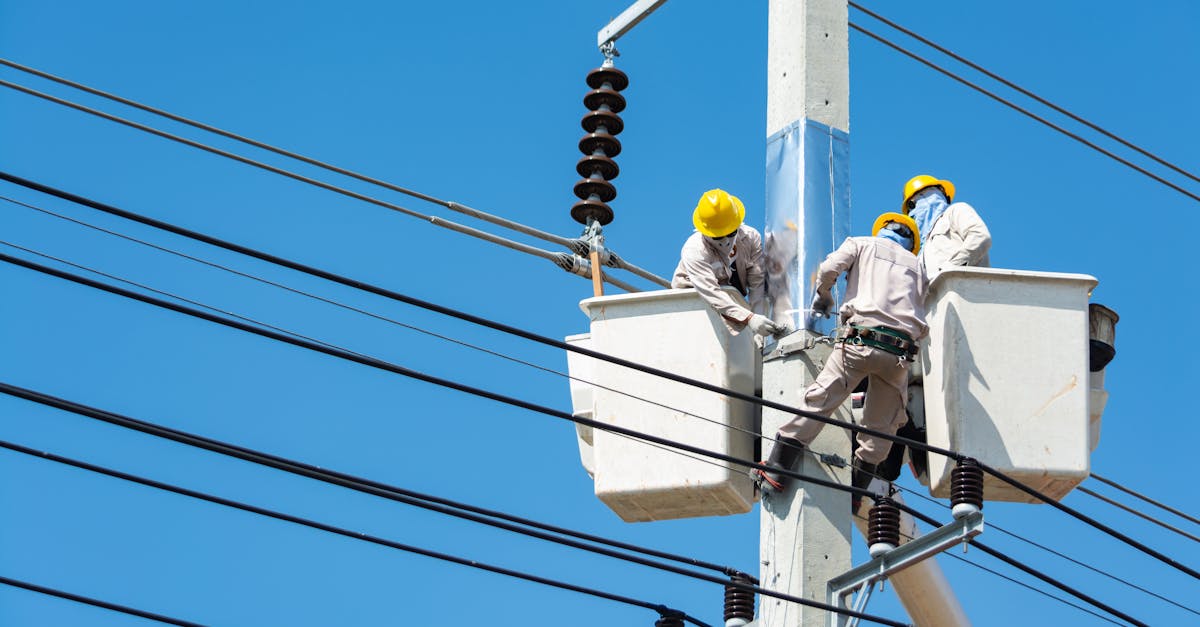
Table Of Contents
Pricing Structure and Payment Terms
A well-defined pricing structure is crucial in any electrical maintenance agreement. It should offer clarity on the costs associated with different services, whether they are standard maintenance checks or emergency repairs. Fixed fees for routine services can provide predictability in budgeting. Variable costs might apply for unforeseen issues or extensive repairs, ensuring clients are aware of potential fluctuations in their overall expenditure.
Payment terms are equally essential to establish from the outset. Clear timelines for payments help both parties manage their cash flow effectively. Offering flexible payment options might improve accessibility for clients, allowing them to choose between upfront payments or monthly instalments. It's important that any late payment penalties or discounts for early settlement are clearly outlined to avoid misunderstandings later on.
Understanding Cost Components
A well-structured electrical maintenance agreement should clearly outline the various cost components involved. This typically includes labour charges, which can vary depending on the expertise of the technicians and the complexity of the tasks. Material costs play a significant role in determining the overall price, especially when new components or tools are required. Additionally, administrative fees may be applicable, covering scheduling and other necessary services. Understanding these elements ensures that both parties are aware of where their money is being allocated.
It is essential to consider the frequency and scope of the maintenance services offered. Regular inspections and emergency callouts will affect the total cost. Enterprises should evaluate the expected level of service, which may include routine check-ups, repairs, and emergency services. By analysing these cost components diligently, businesses can make informed decisions that align with their budget and maintenance goals. Hence, clarity on financial aspects can contribute to a smoother working relationship between contractors and clients.
Safety Protocols and Compliance
Ensuring the safety of personnel and equipment in electrical maintenance is paramount. A robust electrical maintenance agreement should outline specific safety protocols to mitigate risks. This includes regular safety training for technicians, access to the latest safety equipment, and procedures for working in high-risk areas. Compliance with relevant legislation forms the foundation of these protocols. Adhering to established safety standards not only protects workers but also minimises liabilities for the service provider.
Regulatory standards play a critical role in structuring the safety measures incorporated into the maintenance agreement. These regulations are set by bodies such as Safe Work Australia and the Australian Energy Regulator. It is essential that all operations comply with electrical safety codes and local regulations. Regular audits and inspections are vital to ensure ongoing compliance. Documenting adherence to these standards helps maintain accountability and fosters confidence between clients and service providers.
Regulatory Standards to Follow
Electrical maintenance agreements must adhere to various regulatory standards that ensure both safety and compliance. These regulations are established by local and national authorities, outlining the requirements for electrical installations and maintenance practices. Among the key standards are the Australian Standards (AS), which set forth guidelines for electrical work, including AS/NZS 3000 on wiring rules. Compliance with these standards not only mitigates safety risks but also upholds the integrity of electrical systems.
In addition to Australian Standards, organisations should be aware of other relevant compliance frameworks, such as the Work Health and Safety Act. This legislation mandates employers to ensure a safe working environment for all employees, including adherence to electrical safety protocols. Regular audits and assessments are essential to maintain compliance with these standards. By staying informed on regulatory requirements, businesses can reduce the likelihood of accidents and maintain operational efficiency within their electrical systems.
Performance Metrics and Reporting
Performance metrics in electrical maintenance agreements provide essential information on service effectiveness. Key indicators such as response times, resolution rates, and frequency of equipment failures help to evaluate the quality of maintenance. Regularly analysing these metrics allows companies to identify areas for improvement and adjust strategies accordingly. Reporting these findings fosters transparency between service providers and clients, building trust and ensuring alignment on expectations.
Establishing a robust reporting system is vital for ongoing assessment of maintenance activities. Documentation should detail completed tasks, ongoing issues, and any recommended actions for future maintenance. This level of detail not only assists in maintaining compliance with regulatory standards but also enables proactive planning for upgrades or replacements. Regular reports equip stakeholders with the information needed to make informed decisions about their electrical systems.
How to Measure Service Effectiveness
Evaluating service effectiveness in electrical maintenance agreements involves establishing key performance indicators (KPIs). These metrics should focus on aspects such as response times, resolution rates, and frequency of preventive maintenance tasks completed on schedule. Regularly monitoring these KPIs provides insight into service reliability and highlights areas needing improvement. Moreover, client feedback can serve as a vital component, helping to assess satisfaction and identify potential gaps in service delivery.
Reporting practices also play a crucial role in measuring effectiveness. Structured reports should detail the performance against the established KPIs, offering transparency and fostering accountability. Scheduled reviews, whether quarterly or bi-annually, can enhance communication between service providers and clients. This allows both parties to discuss aligning expectations, refining processes, and ultimately ensuring the maintenance programme meets operational needs while adhering to safety regulations.
FAQS
What is a comprehensive electrical maintenance agreement?
A comprehensive electrical maintenance agreement is a contract that outlines the services, responsibilities, and terms involved in maintaining electrical systems and equipment to ensure optimal performance and compliance with safety standards.
What factors influence the pricing structure of an electrical maintenance agreement?
The pricing structure can be influenced by various factors including the scope of services provided, the complexity of the electrical systems, frequency of maintenance required, and any specific compliance or regulatory requirements.
Why are safety protocols important in an electrical maintenance agreement?
Safety protocols are crucial as they help ensure the safety of personnel, prevent accidents, and guarantee that all maintenance work complies with relevant laws and regulations, thus protecting both workers and the organisation from potential liabilities.
How can performance metrics be measured in an electrical maintenance agreement?
Performance metrics can be measured through various methods, including tracking response times, evaluating service completion rates, monitoring equipment downtime, and assessing customer satisfaction levels.
What regulatory standards should be considered when drafting an electrical maintenance agreement?
Regulatory standards to consider include local and national electrical safety codes, workplace health and safety regulations, and industry-specific compliance requirements, all of which ensure that maintenance practices meet legal and safety benchmarks.
Related Links
How Electrical Maintenance Contracts Improve Workplace SafetyChoosing the Right Electrical Maintenance Provider for Your Commercial Needs
Why Every Business Should Consider an Electrical Maintenance Contract
Customising Electrical Maintenance Contracts for Diverse Commercial Sectors
The Role of Preventative Maintenance in Reducing Electrical Failures
Understanding the Legal Aspects of Electrical Maintenance Contracts
Tips for Negotiating Electrical Maintenance Contracts for Commercial Properties
Cost-Effective Electrical Maintenance Contracts for Small Businesses